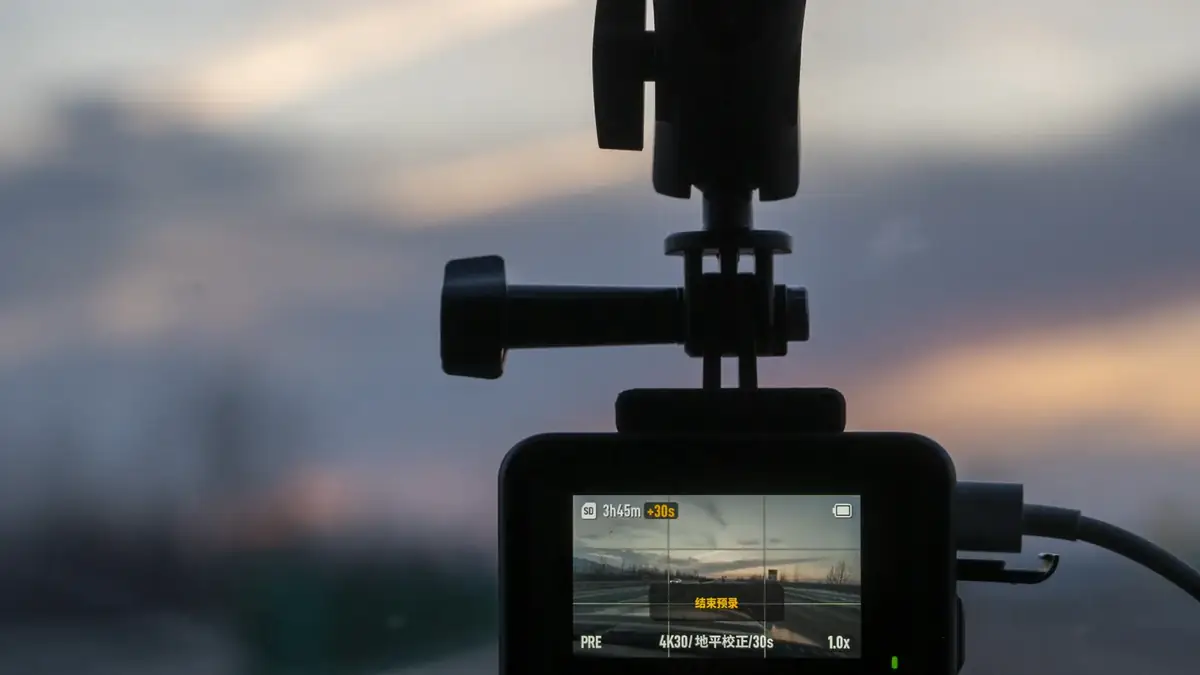
Hardwired dash cam installation means a fused feed and a low-voltage cut-off, so parking mode does not flatten your battery. We fit front and rear units, and we handle reverse camera installation for cars, utes, wagons and caravans. Both are wired to the fuse box, not trailing a lead from the cigarette lighter.
Wiring disappears behind the trims and headlining, clear of airbag zones, so the interior looks untouched. The camera sits outside the driver's view and can be one you already own or one you pick. Book a time at our Logan-based workshop, close to Slacks Creek and Springwood, and drop the vehicle off. Call 07 3566 2108 or use the quote form on this page.
Dash cam and reverse camera installs we do
Most jobs fall into one of four groups. Tell us which one fits your vehicle when you book it in, and the details are confirmed with the booking.
Hardwired dash cams
We tap a fuse box for constant and switched feeds, or fit a purpose-made hardwire kit. The constant feed keeps parking mode running and the switched feed wakes the camera with the ignition. Each feed is fused, and the low-voltage cut-off is set so the start battery keeps enough charge to crank the engine. We pick a mounting spot behind the mirror, tuck the lead along the headlining and finish at the fuse box. The kit suits most cars, utes and wagons, and the camera you already own usually works with it.
Front and rear dash cam systems
A rear camera needs a cable run from the back glass to the front unit. In a wagon or SUV that path goes through the tailgate rubber boot, along the roof lining and down a pillar. Utes are different again, since there is no boot and the cable has to find another way forward. We route the cable so nothing rubs, pinches or shows, and we leave enough slack at every hinge so the tailgate opens and shuts freely.
Reversing cameras for cars and utes
For reversing camera installation, we fit cameras at the number plate, behind the tailgate handle or on a canopy, wherever gives the clearest view of the bumper line. The picture shows on your existing screen, an aftermarket head unit or a mirror monitor. We check the angle from the driver's seat before we finish. Guide lines, if the camera has them, are set up to match the bumper and the tow ball. A canopy or towbar usually decides the best spot.
Caravan and trailer cameras
Wired and wireless cameras both suit caravans and trailers. A wired camera uses the trailer plug or a dedicated cable run, and a wireless one needs a power source at the back and a clean signal path to the screen. We talk through which suits your van before we start. A long metal-bodied van can weaken a wireless signal, so we check the picture before we close anything up. Either way, the camera sits where it is protected from weather and road spray.
How we fit a dash cam or reverse camera
Every install follows the same four steps, whether it is a single front camera or a full front and rear setup.
- 1
Agree positions with you
We sit in the vehicle with you and pick the spot for each camera. It stays clear of the driver's view and away from airbag zones. If a position you prefer would cause problems, we say so before we start.
- 2
Hide the cables
We route cables behind the headlining, down the pillars and along existing trims, using the factory paths where we can. Nothing dangles across the windscreen or sits loose in the cabin. Pillar trims go back on the way they came off.
- 3
Fuse and connect
We choose the right feeds for parking mode and fuse each one. The low-voltage cut-off gets set for your battery and how the vehicle is used. Connections are made with proper terminals and finished in loom, not twisted and taped.
- 4
Check the picture and hand over
We check each camera's angle and view, then show you the app, the settings and how to pull footage off the card. You drive away knowing how to use what we fitted. If the picture is not right, we adjust the angle or the settings before the trims are fully refitted.
Book the vehicle in and we'll test it and price the repair before any work starts.
Hardwired or plug-in, head unit or mirror
Two choices shape most installs: how the dash cam is powered, and where the reverse camera picture shows. Here is how each option works so you can decide before you book.
Hardwired vs 12V socket plug-in
A plug-in dash cam is simple to set up, but it ties up the socket and leaves a cable across the dash. It usually stops recording when the ignition goes off. A hardwired install gives you parking mode and a clean cabin, and the cut-off module protects the battery. It does take more labour, because the feeds and trims all need attention. If you only want a simple front camera and you are happy to unplug it, plug-in is a fair choice.
Head unit vs mirror-screen reverse camera
If your car already has a screen with a camera input, we can often use it. A CarPlay-style aftermarket head unit adds a screen and a camera input together, and it replaces the factory radio. A mirror monitor clips over your rear-view mirror and suits older cars with no screen. We go through your options once we see the dash. The mirror monitor is the quickest to fit, and the head unit gives a bigger picture and a cleaner dash.
Dash cam installation for Logan commuters and tradies
Commuting on the Pacific Motorway through Springwood and Loganholme is where a dash cam earns its place. With an estimated 403,515 residents in Logan, there is plenty of company on the road. If something happens in slow traffic, front and rear footage gives you a record of it.
Work utes and trailer rigs have a bigger blind spot. A tray, canopy or towbar blocks the mirror view, and a trailer blocks more, whether you tow around town or down the Mount Lindesay Highway towards the New South Wales border. A reversing camera helps you check behind the vehicle before you move. We choose each camera and its mounting for how the vehicle is driven and loaded.
What a camera install includes
Every install gets the same standard of work, however simple the camera.
Battery protected
We set the low-voltage cut-off so parking mode stops before the battery drops too low to start the engine. That is the main job of a hardwire install. We choose the cut-off level with your battery and driving habits in mind. A car that sits for days at the airport car park needs a different setting from a ute that works every day. Queensland summer heat is hard on batteries too, so we do not set the cut-off any lower than we need to.
Clean, fused wiring
There are no dangling cables and no exposed joins. Every feed is fused at the source, and the wiring is run in loom and clipped in place. The result is a tidy install that is easy to trace if anything needs attention later. Where a cable crosses a sharp edge, we protect it so it cannot wear through.
Shown how it works
Before you leave, we run through the camera's settings and app. We show you how to check the picture, download footage and look after the memory card, so you are not working it out after an incident. We also point out the loop recording setting and how to lock a clip so it is not overwritten.
What affects the cost of dash cam and reverse camera installs?
People often ask how much it costs to get a dash cam installed, or whether a reverse camera needs a new head unit. It depends on a handful of things about your vehicle and the gear you choose. We give you a free written quote, and the form beside this page is the quickest way to ask for one.
Number of cameras
A front-only dash cam is a shorter job than a front and rear pair, because the rear camera adds a long cable run.
Ute, wagon or caravan
Cable runs vary a lot between vehicles. A hatch is short, while a wagon, ute or caravan needs more routing.
Screen choice
Using your existing screen is the lightest option. A head unit or mirror monitor adds hardware and labour, so it moves the quote.
Hardwire kit and parking mode
Parking mode needs extra feeds and a cut-off module, which adds parts and time over a plug-in setup, and it is usually worth it.
Dash cam and reverse camera FAQs
Will a dash cam drain my car battery?
A dash cam can drain your car battery if it runs in parking mode without protection. A hardwire kit with a low-voltage cut-off stops the camera before the battery gets too low to start the car. We set that level on every hardwired install.
Can I install my dash cam myself?
You can install a plug-in dash cam yourself, because it only needs the 12V socket. Hardwiring is different, as it means finding the right fuse feeds, pulling trims and staying clear of airbag areas. That is where a workshop fit helps.
Should I leave my dash cam on all the time?
You can leave a dash cam on all the time if it has a protected, hardwired feed. Parking mode records while the car is parked and the unit sits in a low-power state. Without a cut-off, a constant feed can run the battery down.
What is the downside of a dash cam?
The main downsides of a dash cam are battery draw, cable clutter and card upkeep. A badly wired unit can flatten the battery, and loose cables are a nuisance. A proper hardwired install avoids both, though you still need to check the memory card now and then.
Will my insurance go down if I have a dash cam?
Whether a dash cam lowers your insurance depends on your insurer, so ask yours before you count on it. We make no promises about any insurer. Footage can help show what happened if something does go wrong.
Can a reverse camera be fitted to an older car?
A reverse camera can be fitted to an older car, even one with no screen. A mirror monitor clips over the rear-view mirror, or an aftermarket head unit gives you a screen with a camera input. We check the dash and wiring before we recommend one.
Can you fit a reversing camera to a caravan?
We can fit a reversing camera to a caravan, wired through the trailer plug or wireless. The right choice depends on the van, the distance to the screen and where power is available at the back. We go through it when you book.